

As the colors of autumn deepen and the air turns to winter chill, the routines of breastfeeding and pumping might take on a new dimension. The transition from the easy warmth of summer to the colder months might bring some challenges but also opportunities for snuggly feeds. Maintaining milk supply, ensuring comfort, and staying healthy during fall and winter will help you continue breastfeeding until it’s time to get out those summer clothes again. Here is a guide to help you breastfeed and pump throughout the fall and winter.
Maximizing the Warmth for Optimal Milk Flow
The cold is a known vasoconstrictor, meaning it can narrow blood vessels, which can potentially impede the flow of milk from the breasts. To combat this, creating internal and external warmth might help with maximizing pumping output. Before starting a pump or a feed, take a moment to warm up your whole body and your breasts. Begin with a light massage, gently moving your breasts around in circular or sweeping motions. This pre-pump warm-up encourages blood flow to the breast tissue, which helps the milk ducts dilate and the milk ejection reflex (let-down) to occur more quickly and completely. Ensure your environment is contributing to your warmth: keep your house comfortably heated, and use soft blankets or warm throws during pumping sessions. A cozy, warm body signals safety and relaxation to your nervous system, which is directly linked to milk production.
The Power of Tea Meditation
One of the most restorative tips for winter pumping or feeding is incorporating a tea meditation into your routine. This ritual is specifically designed to combat the higher stress levels (and thus higher cortisol) often associated with exhaustion and the busy holiday season, while simultaneously boosting the calming hormone oxytocin, the hormone responsible for triggering your let-down. To practice this, select your favorite warming, caffeine-free herbal tea. As you sit down to pump or feed, focus intently on the experience. First, observe the steam, feeling the warmth on your face. Next, take a deep, slow breath, smelling the aroma of the tea. Then, take small, mindful sips, noticing the warmth spreading through your throat and chest. By intentionally slowing down and focusing your senses on the tea, you shift your body out of fight-or-flight mode. This decrease in cortisol and corresponding rise in oxytocin creates the perfect internal environment for a good milk flow.
Discovering Babywearing for Winter Outdoor Warmth
Venturing out with a baby in cold weather can make feeding logistics tricky, especially when layers are involved. A time-tested strategy for outdoor comfort, practiced by Inuits in Alaska and other parents in cold climates, is wearing the baby in a sling or soft carrier beneath your outer layers. Dress your baby in their usual indoor clothing, then place them in the carrier. Cover the carrier with your own large coat or jacket, zipping it up over the baby’s body. This uses your body heat to keep the baby warm and regulated while simultaneously providing immediate, easy access to the breast without having to undress yourself entirely. Safety first: always ensure the baby’s nose and mouth are visible and clear for breathing (following the TICKS guidelines for safe babywearing). Periodically monitor the baby's temperature by feeling their chest or back to ensure they are comfortably warm, not sweaty.
Dressing Smart for Winter Feeds
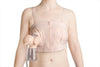
Feeding access in cold weather might become tricky. When preparing your wardrobe for fall and winter, try dressing in layers that open easily from the top and bottom, specifically designed for nursing access. Instead of wearing bulky turtleneck sweaters, choose a button-down flannel shirt over a nursing tank top. This allows you to open only the necessary layer quickly and minimally expose your skin, helping you retain warmth during the feed. A vest or a cardigan is also an excellent middle layer, as it can be easily pulled aside to provide warmth to your back and shoulders while the baby is feeding. Minimizing exposure prevents chills and makes going out much easier.
Creating a Cozy Environment for Relaxation
The darker, cooler days of winter are perfectly suited for encouraging relaxation, which is a major contributor to milk supply. During your pumping or feeding sessions, embrace the cozy atmosphere to deepen your relaxation response. Use dim, warm lighting, maybe a lamp instead of harsh overhead fixtures. Put on soothing background music, or simply enjoy the quiet. The goal is to make your dedicated feeding space feel like a mini-retreat. When your brain and body associate the feeding experience with calm and comfort, your oxytocin levels naturally increase, leading to more frequent and stronger let-downs. Schedule time for these relaxed sessions, acknowledging that the break is an investment in your milk production and mental well-being.
Protecting Your Nipples and Skin from Dry Air
Winter air, especially indoors due to central heating, is notoriously dry and can cause delicate skin to chap and crack, including the sensitive skin of the nipples and areola. Take time to think about skin hydration and protection. If you are feeling dry after a feed or pump session, use a tiny amount of a medical-grade lanolin, an all-natural nipple balm, or even a thin layer of coconut oil. You can coat the inside of your pump flanges with coconut oil or lanolin for a smooth pumping session. This creates a protective moisture barrier that shields the skin from friction and the drying effects of the cold, dry air. Ensuring your skin stays supple prevents soreness and cracking, making feeds and pumps more comfortable. With some attention to detail and the right clothes, keeping cozy in the fall and winter will be fun and relaxing for the whole family.
For more practical guidance, check out our pumping tips and tricks section.