
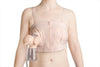



The tradition of wearing a baby is as old as humanity itself. Long before the invention of the high-tech stroller or the vibrating plastic bouncer, parents relied on simple pieces of cloth to keep their infants close while navigating the demands of daily life. Today, babywearing has transitioned from a survival necessity to a cornerstone of modern, responsive parenting. It is often described not just as a convenience, but as a parenting hack for those seeking to foster a deep, secure attachment with their child and solve many common early-day challenges.
The Rule of the Fourth Trimester
For many parents, babywearing is considered the best way to survive and thrive in the fourth trimester, the first three months after birth. Human infants are born uniquely vulnerable, and the transition from the womb to the world can be jarring. By carrying your baby, you extend the sensory experience of the womb: the rhythmic sound of a heartbeat, the warmth of your body, and the gentle swaying of movement. This proximity regulates the baby’s nervous system, reducing cortisol levels and creating a baseline of security that serves as the foundation for all future emotional health.
A Natural Aid for Sleep
One of the most immediate benefits of babywearing is its impact on infant sleep. New parents often find themselves in a cycle of transfer failure, where a sleeping baby wakes the moment they touch the crib. Carrying the baby in a wrap or carrier bypasses this struggle. The upright position and the constant motion act as a natural sedative. Furthermore, babies who are carried during the day tend to be less overstimulated; because they can cuddle against the wearer’s chest when the world becomes too much, they enter sleep in a more relaxed state, often leading to better sleep cycles overall.
Supporting the Breastfeeding Journey
For breastfeeding mothers, a carrier is a great tool for both physiological and practical reasons. The close physical contact promotes the release of oxytocin in the mother, which is the hormone responsible for the milk-ejection reflex (let-down). It also allows the mother to become highly attuned to early hunger cues, such as rooting or hand-sucking, well before the baby begins to cry. Many modern carriers are even designed to allow for discreet nursing on the go, providing the baby with unlimited access to the breast while the mother remains mobile.
Physical and Cognitive Development
From a developmental standpoint, babywearing is far more than just a ride. While a baby in a stroller is a passive observer, a carried baby is an active participant in the wearer’s world. As you move, the baby’s vestibular system (responsible for balance and spatial orientation) is constantly stimulated.
Physically, a proper M-position carry supports healthy hip development and can help prevent plagiocephaly (flat head syndrome). Cognitively, because the baby is at eye level with the world, they are exposed to more social interactions and language than they would be from the ground up. They see what you see and hear the nuances of your conversations, which provides a rich environment for early brain development.
Safe Carrying: The TICKS Guidelines
The industry standard for safe babywearing is the TICKS rule. This simple acronym ensures that the baby’s airway is protected and their spine is supported.
- Tight: The carrier should be tight enough to hug your baby close. Loose fabric can allow the baby to slump, which may restrict breathing.
- In view at all times: You should always be able to see your baby’s face by simply looking down.
- Close enough to kiss: Your baby’s head should be as close to your chin as is comfortable. By tipping your head forward, you should be able to kiss the top of their head.
- Keep chin off chest: There should always be a space of at least one finger-width under your baby’s chin to ensure their airway remains open.
- Supported back: The baby’s back should be supported in its natural curve, with their tummy and chest against you.
Babywearing is a tool that empowers parents to meet their child's intense needs for closeness without sacrificing their own autonomy. Imagine a world where you are folding laundry, hiking a trail, or trying to soothe a fussy newborn yet still keeping your baby close. Baby wearing is a practice that nourishes without depleting, and that is a game changer for tired parents.


