
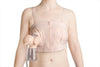


For years, parents were told that a tender, firm lump in the breast was stuck milk that needed to be aggressively kneaded away. We now understand that this outdated approach often causes more harm than good. In reality, what is commonly called a plugged duct is primarily an inflammatory or immune response. The tissue becomes irritated, leading to localized swelling from lymphatic fluid and inflammatory proteins. These fluids press against the ducts from the outside, which is what you feel as a hard, painful lump. Moving away from deep massage and heat and toward an anti-inflammatory protocol is the current gold standard for finding relief.
What Triggers Inflammation?
Several factors can lead to this inflammatory state. Often, the issue begins with milk stasis when the breast isn't fully drained due to an irregular feeding schedule, a suboptimal latch, or missed nursing sessions. However, physical triggers are just as common. Constriction from tight-fitting clothing, underwire bras, or heavy bag straps can compress the breast, restricting fluid flow. Even the use of a breast pump with poorly fitted flanges can cause localized trauma, resulting in swelling and congestion.
Identifying Symptoms and Surface Blockages
Before treating a deep lump, it’s important to inspect the nipple for a bleb. A bleb appears as a tiny, white or yellowish dot of skin or hardened milk sitting right on the ductal opening. It might act as a surface-level barrier that prevents milk from exiting. If present, it requires specific attention, such as softening the skin with warm compresses and coconut oil, to clear the exit point before addressing the deeper inflammation behind it. Aside from this, symptoms of inflammation include a firm, warm, tender wedge of tissue and a noticeable dip in milk production on the affected side.
The Warm Water Immersion Method
To encourage drainage safely, skip the aggressive massage and try a gentle immersion technique. Fill a cup with warm water, lean forward, and submerge your nipple and areola, then sit up, keeping the pressure on until you see cloud like strings emerging from the nipple. The goal here isn't to blast the milk out, but to use gentle, constant warmth to relax the tissue. Using a towel under the breast keeps the process clean, and performing this a few times a day before pumping or nursing can significantly improve flow.
Reducing Inflammation: The Cooling Strategy
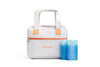
Because this condition is fundamentally inflammatory, cold therapy is the first treatment. Applying a cold compress helps reduce the swelling, allowing fluid to move out of the area naturally. You can use a frozen breast pad, a chilled wet diaper, or the most effective option, a clean cabbage leaf with the thick stem trimmed away. Place the leaf in your bra and swap it for a fresh one once it wilts, aiming for three twenty-minute sessions each day. Pairing this with ibuprofen (taken per package instructions) can further help manage the internal swelling and pain.
Manual Care: Reverse Pressure and Drainage
When preparing to feed or pump, utilize reverse pressure softening. Use your fingertips to gently press the swelling away from the base of the nipple, which softens the areola and helps the baby secure a better latch. If you choose to use massage, use only the lightest touch, reminiscent of petting a cat, to stroke the skin from the nipple toward the collarbone or armpit. This encourages the lymphatic system to process the fluid. Avoid any deep, heavy pressure, as this can bruise the tissue and worsen the inflammation.
The Role of Targeted Probiotics
Supporting your body from the inside is a crucial part of recovery. Maintaining a balanced mammary microbiome can help prevent recurring inflammation. Look for probiotics specifically designed for breast health; strains such as Ligilactobacillus salivarius or Limosilactobacillus fermentum are highly regarded for their ability to support healthy tissue. Incorporating these into your daily routine is a proactive step toward keeping the internal environment of your breast tissue resilient.
When to Seek Professional Care
Most cases of inflammatory swelling resolve with consistent home care within two days. However, you should reach out to your physician if you notice systemic signs like a fever, chills, or a general feeling of illness, as these are indicators that you might be developing mastitis and could require antibiotics. Additionally, if the lump remains unchanged despite your efforts, a doctor can perform an ultrasound to rule out other issues and ensure you get the appropriate clinical treatment.


