
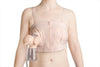



For many moms, breast pumps feel like a natural part of breastfeeding today. It’s easy to forget that this tool has a long history behind it. Long before modern pumps existed, mothers still needed ways to express milk.
This article looks at when the breast pump was invented and how it developed over time. From early suction devices to today’s electric and wearable designs, each stage solved real problems. These changes reflect both medical advances and the lived experiences of mothers.
What we now consider standard took centuries to shape. The modern breast pump is the result of steady progress and maternal care.
Early History: Ancient Milk-Extraction Methods
Throughout history, mothers adapted and created ways to express milk during times of need. Historical records show that milk-extraction devices date back to ancient civilizations. In ancient Greece, ceramic vessels called guttus were sometimes used to draw milk using gentle suction.
During the Roman period, glass devices were used to create suction and help express milk. These tools relied on mouth suction or simple tubing to remove milk. They were often used when babies were weak or when nursing was difficult.
These early devices were basic and often unsanitary by modern standards. Still, they show that moms have long searched for ways to support feeding. The need to express milk is not new. Only the tools have changed.
The First Patented Breast Pumps (19th Century)
The first officially patented breast pump appeared in the mid-nineteenth century. In 1854, American inventor Orwell H. Needham received a U.S. patent for a breast pump design. His invention used a hand-operated suction mechanism instead of mouth suction.
The pump included flexible tubing and a fitted flange that rested against the breast. These features helped create suction without rigid glass cups or direct mouth suction. For many mothers, this likely made pumping more comfortable and manageable.
This design marked an important shift. For the first time, a breast pump was recognized as a tool made specifically for milk expression. It offered more control and consistency than earlier devices.
Unlike earlier tools, this pump was meant for regular use. While simple by today’s standards, it gave moms more comfort and flexibility. This patent helped bridge the gap between early suction tools and modern mechanical pumps designed for everyday use.
Evolution Through the 19th and Early 20th Century
After the first patent, breast pump designs continued to evolve. By the 1870s, pumps included removable milk-collection bottles. This made cleaning easier and improved hygiene during feeding and storage. These changes made pumping more practical for everyday use.
Toward the end of the nineteenth century, vacuum technology influenced pump design. Instead of simple bellows, pumps began using more controlled suction. This helped reduce discomfort and allowed milk to flow more smoothly. By 1905, piston-based pumps appeared with internal air chambers and ergonomic finger holds.
For the first time, many moms could operate a pump themselves without assistance. This made pumping more private and manageable. Some early designs even explored hands-free options using bulb suction systems. These developments show that comfort and convenience have always mattered to mothers.
Birth of Electric and Hospital-Grade Pumps
Although manual and mechanical pumps existed for decades, the arrival of hospital-grade electric pumps changed breastfeeding support in a big way. In the early twentieth century, inventors began experimenting with motorized suction. One early electric pump, inspired by cow-milking machines, appeared in hospitals during the 1920s. These early pumps were mainly used when babies could not nurse directly.
A meaningful step forward came in 1942. Swedish engineer Einar Egnell developed a hospital-grade pump focused on gentler suction and better milk flow. His work helped support premature and hospitalized babies who depended on pumped milk. It also reduced some of the physical strain moms experienced with earlier methods.
These advances made frequent pumping more realistic during medical challenges. The pumps were large, heavy, and expensive, so they stayed mostly in hospitals. Even so, they showed that technology could support breastfeeding when it mattered most.
Modern Pumps and Commercial Availability
Breast pumps did not become common household tools until the late twentieth century. Smaller electric pumps slowly entered the consumer market. These designs made pumping more realistic for everyday life, not just medical situations. Moms could finally access pumping support outside hospitals.
By the 1990s, more moms were returning to work after childbirth. The need for reliable breast pumps grew quickly. Pumps became essential for continuing breastfeeding while balancing jobs and family life. This shift helped normalize pumping as part of modern motherhood.
Modern pumps focus on comfort, hygiene, and ease of use. Features like removable bottles, backflow protectors, and closed systems improved safety. Suction patterns began to better match a baby’s natural rhythm. Pumps also became quieter, lighter, and easier to carry. Wearable and hands-free designs allow moms to pump discreetly. Manual, electric, and hospital-grade options now support many different needs. Today’s breast pumps reflect centuries of learning shaped by real experiences from breastfeeding moms.
Why History Matters: Impact on Breastfeeding Today
Understanding breast pump history shows how closely breastfeeding tools connect to everyday life. Changes like urban living, working motherhood, and medical care shaped how pumps developed. Early devices were often uncomfortable and hard to use. That contrast helps show how far pumping technology has come.
As pumps moved from hospitals into homes, breastfeeding became easier to fit into daily life. Pumping became something moms could do at home, at work, and on their own terms. This change offered flexibility that earlier generations simply did not have.
For today’s moms, this history puts things into perspective. Breast pumps didn’t appear overnight. They grew from generations of listening, problem-solving, and care for mothers and babies.
From the Very First Drop to Now
The breast pump has a long and meaningful history. From ancient ceramic tools to modern wearable pumps, each stage reflects care for mothers and babies. Although the first patent appeared in 1854, today’s pumps exist thanks to centuries of innovation. Understanding this journey helps us appreciate both the tool and the progress behind it.
