


Many moms start pumping expecting it to feel simple and manageable. Instead, they feel pain, soreness, or irritation. This can feel discouraging, especially when pumping already takes time and energy.
The truth is: pumping should not hurt. Pain during or after pumping usually means something needs adjusting. Common causes include flange fit, suction settings, and breast discomfort.
In this article, we will walk you through why pumping could be painful and how to fix it. You’ll learn practical ways to make pumping comfortable again. We will also cover when to seek extra support. We have included practical visuals, a helpful video, and an FAQ section to answer the most frequent concerns.
Why Pumping Can Be Painful
There are a few common reasons pumping can feel painful, and most are fixable with small adjustments. One of the most common causes is improper flange fit. When a flange is too small or too large, it can rub, pinch, or pull breast tissue. Simply put, poor fit often leads to nipple pain.
Suction settings also matter. Using suction that feels too strong can irritate sensitive tissue and affect milk flow. Strong suction does not necessary lead to better milk output. Engorged breasts can add to discomfort too. When breasts feel overly full or tight, pumping can feel more intense or restrictive. Sticking to a regular pumping schedule can help prevent this.
Skin condition plays a role as well. Dry or cracked nipples can increase friction during pumping, worsening sensitivities. Dryness is also a factor, often increasing irritation. Sometimes pain comes from deeper breast issues. Clogged ducts, mastitis, or vasospasm can cause sharp pain, tenderness, or color changes. These symptoms need immediate medical care. The good news is breast pain does not last forever and often comes down to small adjustments.
How to Check & Fix the Most Common Problems
Flange Fit: The Most Common Culprit
A poorly fitting flange causes more pain than many moms realize. When a flange is too small, the nipple can rub the tunnel walls, causing friction. When it is too large, too much areola may be drawn in, leading to pulling, bruising, or weaker suction. With a good fit, only the nipple should move freely in the tunnel. It should slide smoothly without scraping or pinching. After pumping, nipples may look slightly longer, which is normal, but they should not appear flattened or discolored. If pumping feels uncomfortable, trying another size can help. Even a one- or two-millimeter change can make a difference. There are specific guides that can help you find the best fit for you.
Suction Level and Pumping Technique
Suction strength plays a big role in comfort. Always start at the lowest setting and increase slowly once milk begins flowing. A strong suction does not guarantee better output and can stress sensitive tissue. If you feel burning or pinching, lower the suction right away. Gentler suction often supports better milk flow. Pumping should feel steady, not intense. Many moms feel most comfortable pumping for about fifteen to twenty minutes.
Addressing Engorgement, Dryness, and Skin Sensitivity
Engorged breasts can make pumping feel tight and uncomfortable. Gentle massage or brief hand expression before pumping can help soften tissue. Skin condition matters too. Dry or cracked nipples increase friction and worsen discomfort. Harsh soaps can increase irritation, so plain warm water is best. After pumping, apply a safe nipple cream or a few drops of breastmilk, which has antibacterial and healing properties. Soft nursing pads or hydrogel pads can protect sensitive skin between sessions.
Extra Comfort & Healing Strategies
Warmth before pumping can make a big difference. A warm compress or gentle massage can help stimulate milk flow and soften tight ducts. Some women find that warmth may make let-down easier and reduce discomfort before pumping begins.
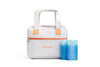
Cooling after pumping can also help. Using cold packs to reduce soreness or swelling once a session ends is proven beneficial. Some moms also use chilled cabbage leaves, a traditional remedy many find soothing. Cooling can be especially helpful if breasts feel tender or inflamed.
Giving your nipples a break is also helpful. Alternating pumping with nursing or hand expression can reduce suction stress. If pain feels sharp or doesn’t improve, it’s worth checking in with your doctor. Lumps, redness, swelling, or fever can signal clogged ducts or mastitis. You should check in with a healthcare provider if these symptoms appear.
FAQ - Common Questions About Painful Pumping
Q1: Is a little pain at the beginning of pumping normal?
A: A brief tug or pulling feeling when suction begins can be normal. Ongoing pain, burning, or stinging is not. Sharp discomfort is a sign to stop and reassess flange fit or suction.
Q2: Can nipple pain affect milk supply?
A: Yes. Pain and stress can interfere with let-down. Stress hormones have been known to reduce milk flow during pumping.
Q3: What if I’ve adjusted everything, flange, suction, care, and pumping still hurts?
A: Ongoing pain may mean something more than fit or suction. Irritation, thrush, or vasospasm can all cause discomfort. A lactation consultant or provider can help. Gentle care and alternating pumping with nursing can help bring relief.
Q4: How often should flange size be re‑evaluated?
A: It’s a good idea to recheck flange size anytime pain, low output, or color changes show up. Breast changes after engorgement, weight shifts, or weaning can affect fit. Many moms also need different flange sizes for each breast.
Q5: Are some pumps less likely to cause pain?
A: Hospital-grade or high-quality double electric pumps often offer gentler suction control. Still, even premium pumps can hurt if fit or settings are not correct. Comfort depends more on proper setup than pump price.
When to Seek Further Help
Sometimes pumping pain is your body’s way of asking for extra support. A strong burning or stabbing pain, or bruising during pumping, shouldn’t be brushed off. Look for cracked, bleeding, blistered, or discolored nipples. If these symptoms last longer than a few pumping sessions, it’s important to consult a healthcare provider.
Pay attention to changes in your breasts as well. Redness, swelling, lumps, fever, or flu-like symptoms can signal mastitis, which require immediate care. If the pain is persistent even after adjustments, it may be time for extra support.
You don’t have to figure this out alone. A lactation consultant or healthcare provider can assess pump fit, rule out infection, and guide next steps. Early support can improve comfort and protect breastfeeding goals. Pain during pumping is a signal to adjust, not a failure on your part.
Small Changes Small Changes That Make a Big DifferenceThat Make a Big Difference
Pumping should never feel painful or overwhelming, even if brief discomfort is common. In most cases, pain is a sign that something needs adjusting, not that you’re doing anything wrong. Small changes such as fit, suction, or care can make a real difference.
Listening to your body is important. Support, comfort, and good information protect both your milk supply and well-being. Measuring flange fit, lowering suction, gentle skin care, and giving nipples rest can improve comfort. With the right setup and self-care, you can protect your comfort and milk supply while providing nourishment for your baby.


