


Breastfeeding and pumping are influenced by so many parts of daily life. Sleep, stress, hydration, and routine can all play a role. Weather can also affect how comfortable feeding feels from day to day.
Hot summer temperatures, dry winter air, travel, and seasonal routine changes can all bring new challenges. Many mothers wonder if hot weather affects milk supply or if cold weather changes pumping routines. These concerns are very common, especially during major seasonal shifts.
The good news is that weather does not directly control milk production. But it can affect
comfort, hydration, milk storage, and daily feeding habits. This article looks at how weather can affect breastfeeding and pumping, and ways to stay comfortable through every season.
Does Hot Weather Reduce Milk Supply?
Many mothers worry that hot weather breastfeeding might lower milk supply, especially during heat waves or long summer days. The reassuring answer is that heat itself does not directly reduce milk production. Milk supply depends mostly on how often milk is removed, either through breastfeeding or pumping.
Hot weather can still affect how you feel while breastfeeding. Dehydration, fatigue, and reduced appetite are more common during very hot weather. That can make feeding feel more tiring or uncomfortable. But breast milk production itself depends mostly on frequent and effective milk removal. In other words, how often milk is removed from the breast is usually what drives supply, much more than the temperature outside. Guidance from La Leche League Canada explains that staying hydrated supports maternal comfort, but regular feeding or pumping is what helps maintain milk production.
You may also notice your baby wanting to nurse more often in summer. This is often completely normal. Babies sometimes feed more frequently in hot weather for comfort, closeness, and hydration. More frequent feeding does not automatically mean your supply is low.
Breastfeeding Comfort During Summer Heat
Breastfeeding in summer can feel physically uncomfortable sometimes. Long feeds, warm skin contact, and hot rooms can leave both mother and baby feeling sweaty and restless. Some babies may also seem fussier at the breast when they feel too warm.
A few small adjustments can make feeding more comfortable. Feeding in a cooler room may help, especially during the hottest part of the day. Light clothing, breathable fabrics, or keeping a small cloth nearby can also help with sweat and skin irritation. Some mothers find laid-back or side-lying feeding positions feel cooler during summer feeds.
It also helps to watch for signs that your baby may be getting too warm. Flushed skin, sweating, or extra fussiness can sometimes be clues. Guidance shared by Children’s Health, based on recommendations from the American Academy of Pediatrics, encourages keeping babies cool and comfortable during hot weather. Often, a cooler feeding space makes a big difference for both of you.
Pumping and Milk Storage in Warm Climates
For pumping mothers, hot weather often affects milk storage more than milk supply itself. Warm temperatures can make it harder to keep pumped milk cool, especially during errands, travel, or long days away from home. Having a simple storage plan can take a lot of stress out of it.
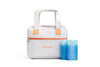
Pumped milk should be refrigerated as soon as possible after expression. When that’s not possible, an insulated cooler bag with ice packs can help keep milk cold for transport. It’s also important not to leave breast milk in a hot car or direct sunlight, even for a short time. Guidance from the Centers for Disease Control and Prevention includes safe storage recommendations for pumped milk during warmer weather.
It also helps to label milk with the date and time, especially if you’re pumping more than once while out. Keeping pump parts clean can take a little more planning in summer too, especially while traveling. In warm climates, preparation matters more than temperature itself. A cooler bag, storage containers, and a simple routine often make pumping feel much easier.
Cold Weather, Winter Routines, and Pumping Challenges
Winter can bring a different set of challenges for breastfeeding and pumping. Cold weather often means more time indoors, less movement, and routines that feel a little less predictable. In North America especially, winter can also bring illness, snow days, travel delays, and shorter daylight hours, which can make feeding routines feel harder to stay on top of.
Some mothers notice they pump less consistently during the winter months without meaning to. Holiday schedules shift routines. Sick children keep everyone up at night. Cold, dry indoor air can also leave you feeling thirsty without noticing it. When that happens, feeding or pumping can start to feel like one more thing on a very full day.
It can help to keep things simple during this season. Staying hydrated, keeping a warm and comfortable place to feed or pump, and maintaining regular milk removal often matter most. Guidance from La Leche League Canada explains that consistency remains one of the biggest factors in maintaining milk supply, no matter the season.
Seasonal Illness and Breastfeeding
Winter often brings more colds, viruses, and general exhaustion into the house. Many mothers wonder if they should keep breastfeeding when they feel sick. In most cases, the answer is yes. Breastfeeding can usually continue during common illnesses like a cold or mild virus.
Breast milk continues to provide nutrition during this time. It also contains antibodies that may help support your baby’s immune system while your body fights infection. Guidance from the Centers for Disease Control and Prevention notes that mothers can often continue breastfeeding through many common illnesses.
The biggest focus during illness is usually taking care of yourself too. Rest, fluids, and eating when you can all matter during recovery. If medication is involved, or if symptoms feel more severe, it’s always a good idea to check with your healthcare provider.
Travel, Climate Changes, and Routine Disruption
Travel can easily throw breastfeeding and pumping routines off, especially when moving between climates. A warm vacation, a winter road trip, or visiting family can all change your usual rhythm. Long travel days, delayed pumping sessions, and unfamiliar spaces can make things feel less predictable.
Sometimes the biggest challenge is simply keeping up with your routine while everything around you feels different. Time zone changes, limited fridge access, or being out of the house longer than expected can all affect pumping plans. The climate itself usually matters less than the disruption to your schedule.
Planning ahead can make travel feel much easier. Portable pumps, storage bags, cooler packs, and realistic pumping breaks can all help. Even if the routine looks a little different while away, regular milk removal is usually what matters most.
Ice, Ice, Baby – Weather and Breastfeeding
Weather and breastfeeding can overlap in ways many mothers notice throughout the year. Summer heat, winter routines, travel, and seasonal illness can all affect comfort, pumping schedules, hydration, and milk storage. These changes can feel frustrating sometimes, but they do not usually affect milk supply directly.
What matters most is often the basics. Staying hydrated, removing milk regularly, and having a simple plan for storage and routine can go a long way. Some seasons feel easier than others, and that’s normal.
With a little flexibility and preparation, breastfeeding and pumping can continue through every season. The weather may change, but your body is still built to keep doing this.
